500 TL üzeri ücretsiz kargo

Plant Waters (Hydrosols)

6 product
First added
First added

Plant Waters (Hydrosols)

Hydrosols, also known as plant waters, are among the essentials for those who adopt a natural lifestyle and are interested in herbal products. These aromatic waters obtained during the distillation of plants offer many benefits in terms of both aesthetics and health. Hydrosols have a wide range of uses, from skin care to aromatherapy.

What are Plant Waters (Hydrosols)?

Hydrosols are water-based products obtained during the processing of plants through distillation. During the extraction process, the water-soluble components of the plant, as well as its essential oils, separate and pass into the water. The answer to the question of what are plant waters lies in the light aromatic scents these components carry and the unique characteristics of the plant. Since hydrosols have a lighter structure than essential oils, they can be used safely even on sensitive skin.

What are the Types and Properties of Plant Waters (Hydrosols)?

Hydrosols offer options that cater to various needs by being obtained from different plants. These types can be summarized as follows:

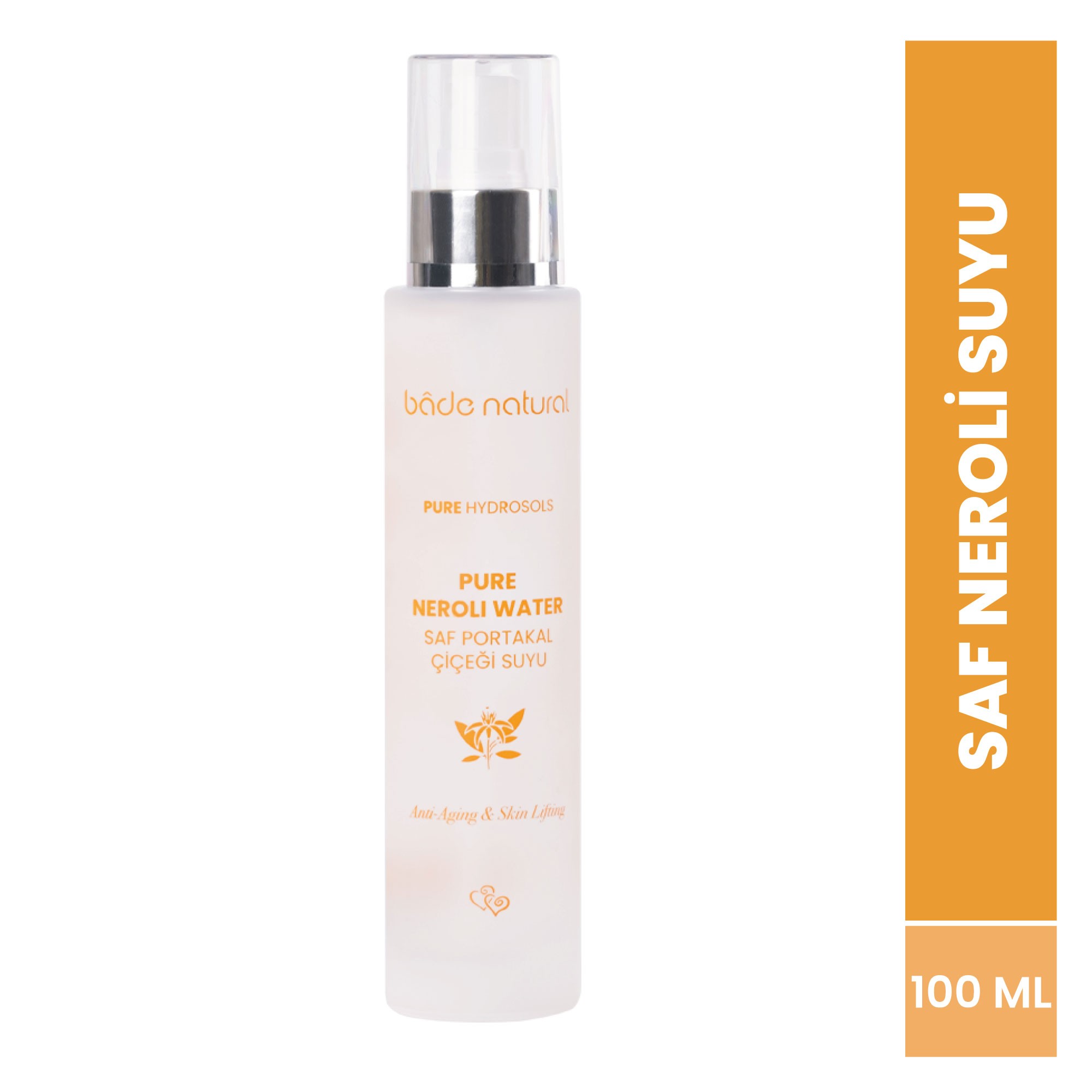
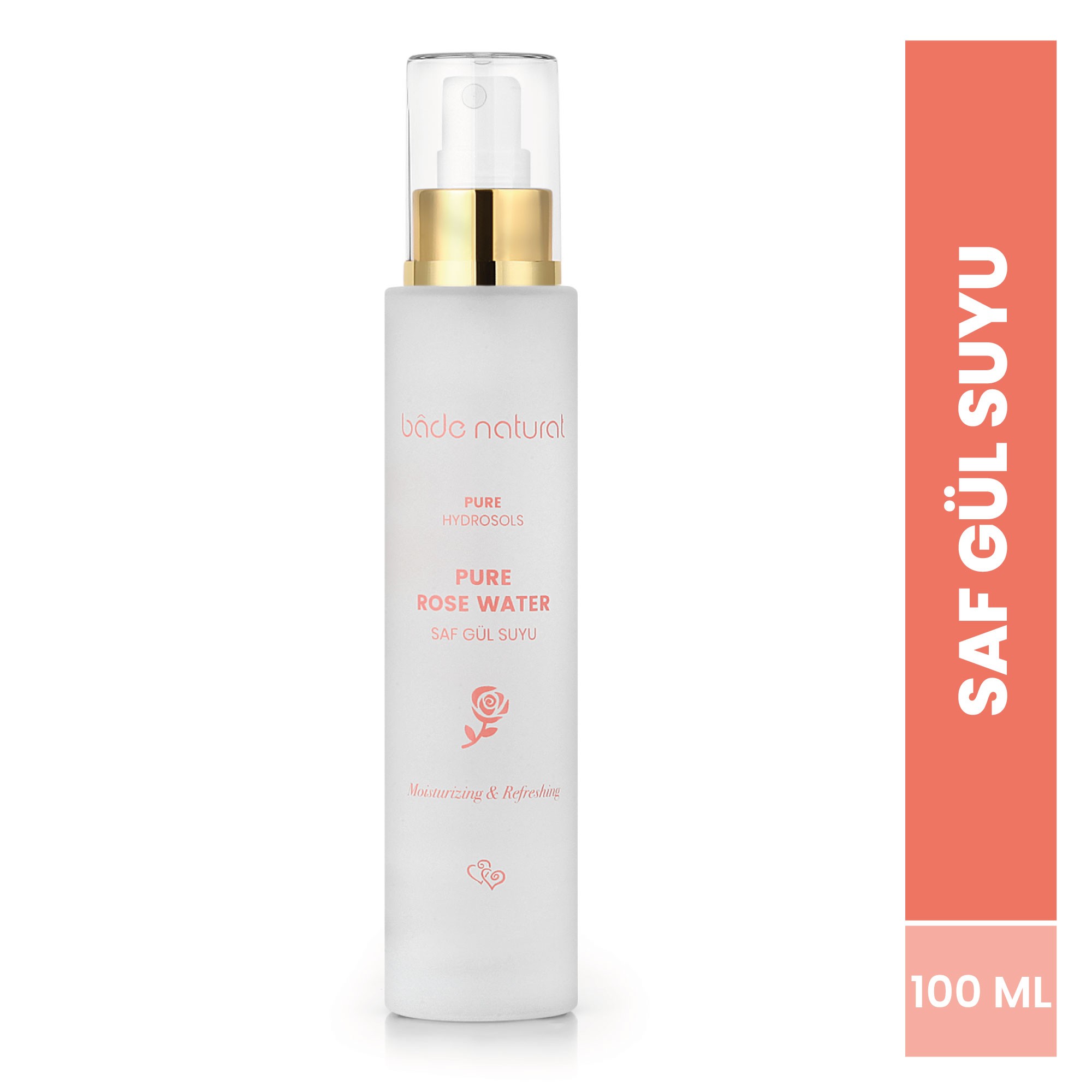
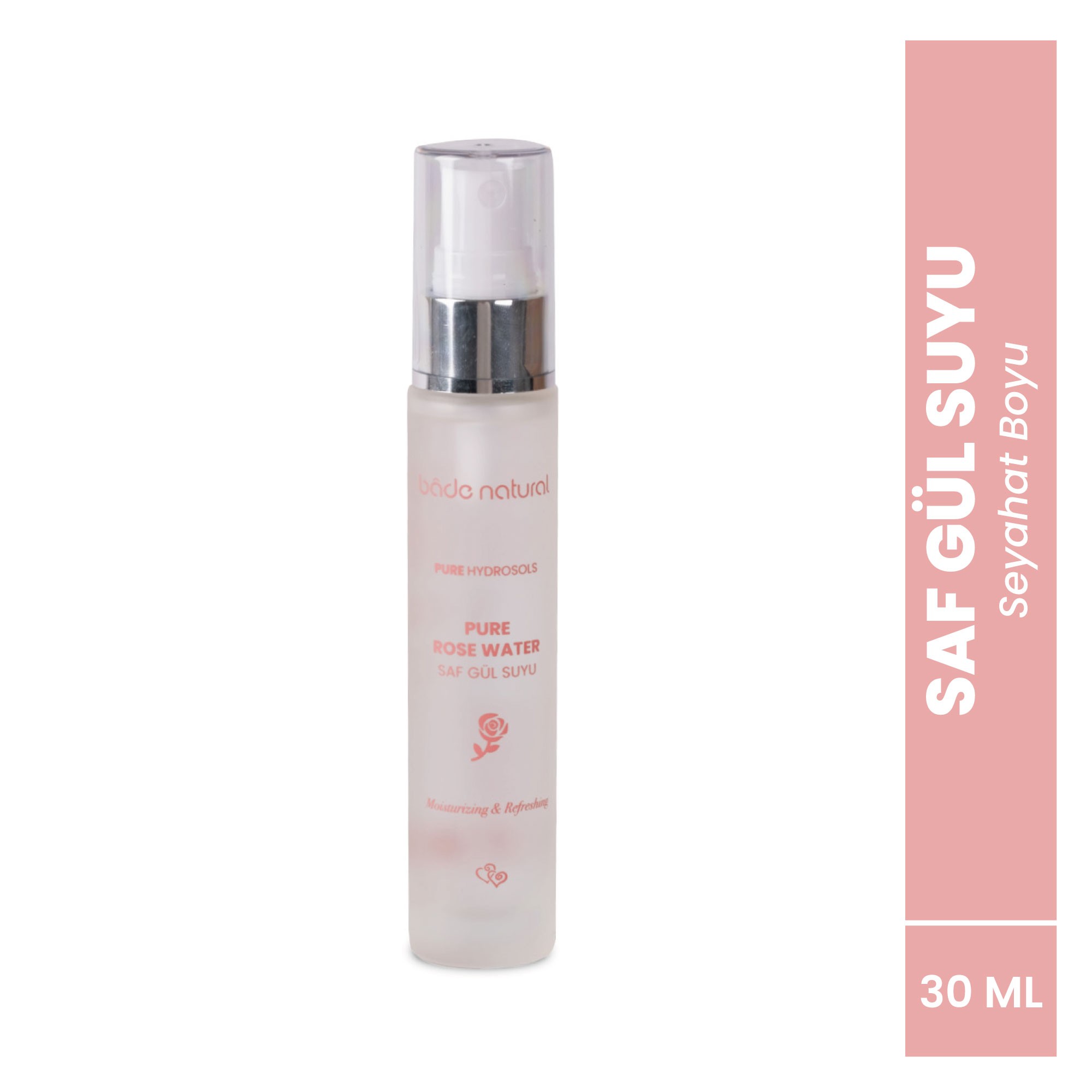
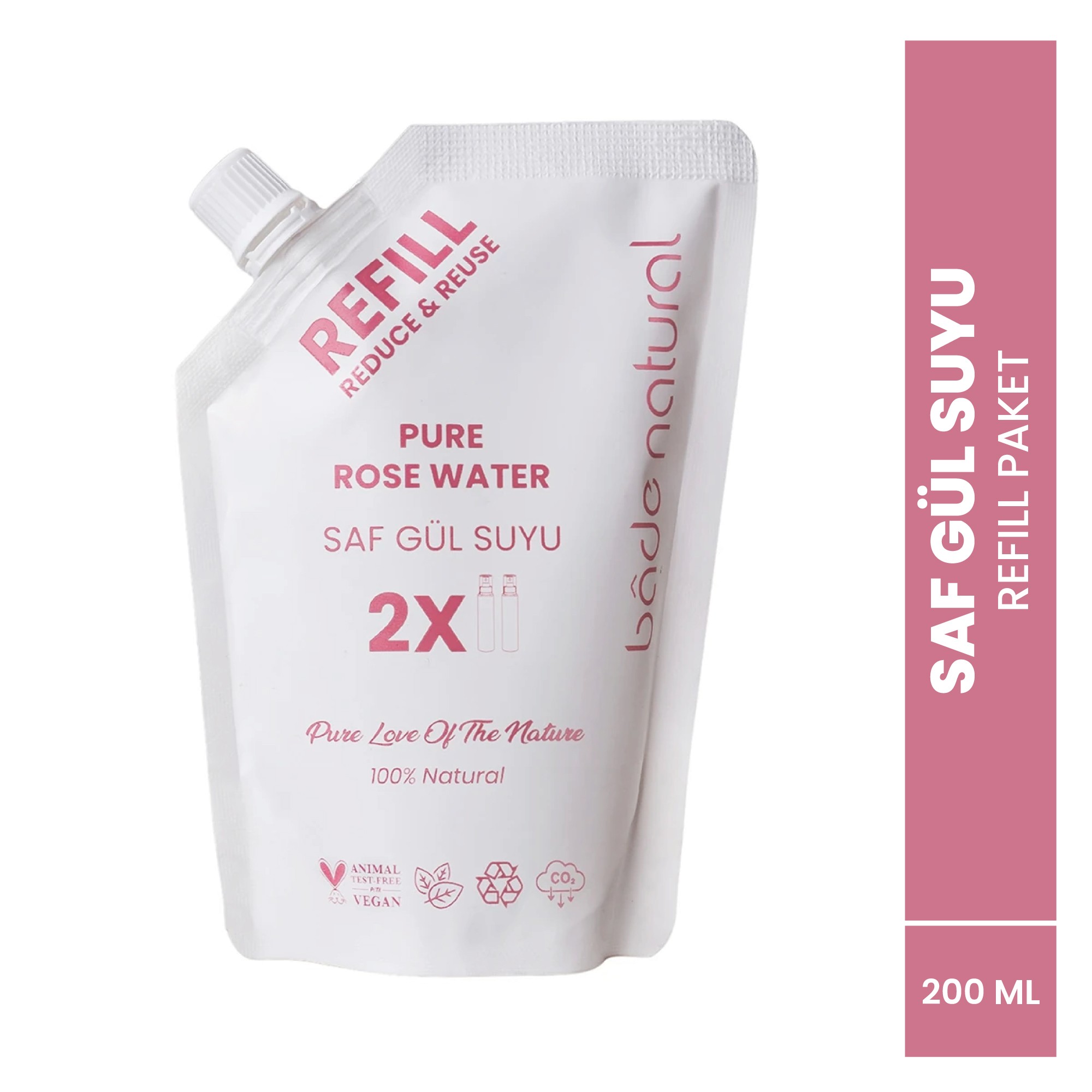
  • Rose Water: Stands out with its soothing effect on the skin. It is frequently preferred for hydrosol skin care.

  • Lavender Water: Known for its moisturizing and balancing properties. It is suitable for sensitive skin.

  • Chamomile Water: Widely used in aromatherapy for its relaxing effect.

  • Peppermint Water: Ideal for cooling the skin during summer months with its refreshing effect.

How are Hydrosols Produced?

The answer to the question "How is hydrosol made?" is hidden in the distillation process of plants. In this process, plant material (flowers, leaves, or stems) is exposed to steam. The steam carries the volatile components and water-soluble substances in the plant. Then, the steam is condensed, and both essential oils and hydrosol are obtained.

Since hydrosols are obtained through a completely natural process, they do not contain chemical additives. The plants used during production being organic and additive-free increases the quality and effect of the hydrosol.

Which Plants Can Hydrosols Be Produced From?

Hydrosols can be obtained from many different plants. The most popular plants are:

  • Lavender: Known for its relaxing and balancing effect.

  • Rose: Preferred for its moisturizing and skin-regenerating properties.

  • Chamomile: Can be used for skin sensitivities with its relaxing effects.

  • Sage: Has refreshing and antiseptic properties.

Hydrosols obtained from plants offer a natural answer to the question "Where is plant water used?" They can be used in aromatherapy, skin care, or natural cleaning products. Proper storage conditions are important to maintain the quality and effect of hydrosols. Hydrosol storage conditions include storing in a cool and dark place as the primary rule. Hydrosols kept in glass bottles and not exposed to direct sunlight can maintain their freshness for a long time. Additionally, their effects can be preserved longer by storing them in the refrigerator after opening.

In Which Form are Hydrosols Found?

Hydrosols, usually offered in liquid form, are products that can be used practically. They are designed to suit different usage needs by being sold in spray bottles or dropper containers. While the spray form can be applied directly to the skin or hair, dropper bottles can be easily added to natural masks or lotions.

Thanks to their natural structures, hydrosols are produced for use in many different areas. Their portable and easy-to-store form offers an ideal option for daily use. Especially hydrosols, which have a wide range of uses from skin care to aromatherapy, are frequently preferred both at home and in professional environments.

Popular Hydrosol Types

Hydrosols are divided into different categories according to the plants they are obtained from. These types can be flower or plant-based.

Flower-Based Hydrosols

Hydrosols obtained from flowers are known for their moisturizing properties. Hydrosols produced from flowers such as rose, lavender, and chamomile are popular in skin care and aromatherapy. While rose hydrosol moisturizes the skin, lavender hydrosol stands out with its relaxing effect.

Plant-Based Hydrosols

Hydrosols obtained from plants can be used in different areas such as skin and hair care. For example, Rosemary Water (Rosemary Hydrosol) can help strengthen hair roots and revitalize the scalp. Additionally, it can provide a balancing effect on the skin thanks to its antiseptic properties. Plant-based hydrosols like sage, mint, and rosemary draw attention with their refreshing and revitalizing properties.

Areas of Use for Hydrosols

Thanks to their versatile properties, hydrosols can be used in many different areas. The most common areas of use are:

Use in Skin Care

Hydrosol can be used as a part of your skin care routine. It can be applied directly to the skin as a toner or preferred while preparing natural masks. For example, by using hydrosol while preparing a clay mask, you can perform care suitable for your skin type. Rose hydrosol can enrich your masks with its hydrating effect, and chamomile hydrosol with its moisturizing effect.

Use in Hair Care

Hydrosols are a great option for caring for the scalp and hair. Especially rosemary hydrosol stands out with benefits such as strengthening hair roots and reducing hair loss. It can be used by spraying onto the scalp after washing hair. It helps you create a natural hair care routine by contributing to the healthier and shinier appearance of hair.

Use in Aromatherapy

Plant waters and aromatherapy are an ideal combination for reducing stress and providing mental relaxation. Lavender hydrosol is frequently used during aromatherapy for its calming effect. Rose hydrosol can help balance the mood. Additionally, hydrosols can be used to revitalize the environment during meditation.

Shelf Life and Storage Conditions of Hydrosols

The shelf life of hydrosols can vary depending on the production process and storage conditions. In general, natural and additive-free hydrosols show durability for about 6 months to 1 year. However, this period can be extended with proper storage conditions.

Hydrosols should be kept in a cool and dark place. Among hydrosol storage conditions, it is important to avoid exposure to direct sunlight and, if possible, to store them in glass bottles. Storing them in the refrigerator after opening helps maintain their freshness and effectiveness for a longer period. Additionally, it will be useful to check the scent and appearance of the product before use to detect if there are any signs of spoilage.

Things to Consider When Using Plant Waters (Hydrosols)

When using hydrosols, there are some points to consider to get maximum benefit from natural ingredients. These issues are:

  • You can choose hydrosols that do not contain chemical additives and are produced organically. Thus, you can ensure that the product is used safely on your skin or hair.

  • Before the first use, try the hydrosol on a small skin area to check if any allergic reaction occurs.

  • Using excessive amounts may cause skin irritation in some cases. Therefore, it is important to apply the hydrosol in the recommended amount and correctly.

  • To prevent the hydrosol from spoiling, store it in a cool and dry place. Hydrosols stored in the refrigerator stay effective longer compared to warm environments.

  • Avoid using products that have expired their shelf life. Because spoiled hydrosols can lose their effect and damage your skin.

To experience this unique care experience coming from nature, explore Bade Natural's natural hydrosol options. You can find the most reliable and effective solutions for your skin and hair with organic and additive-free ingredients. It adds value to your beauty and nature with a sustainable and eco-friendly production approach. Visit Bade Natural for detailed information!